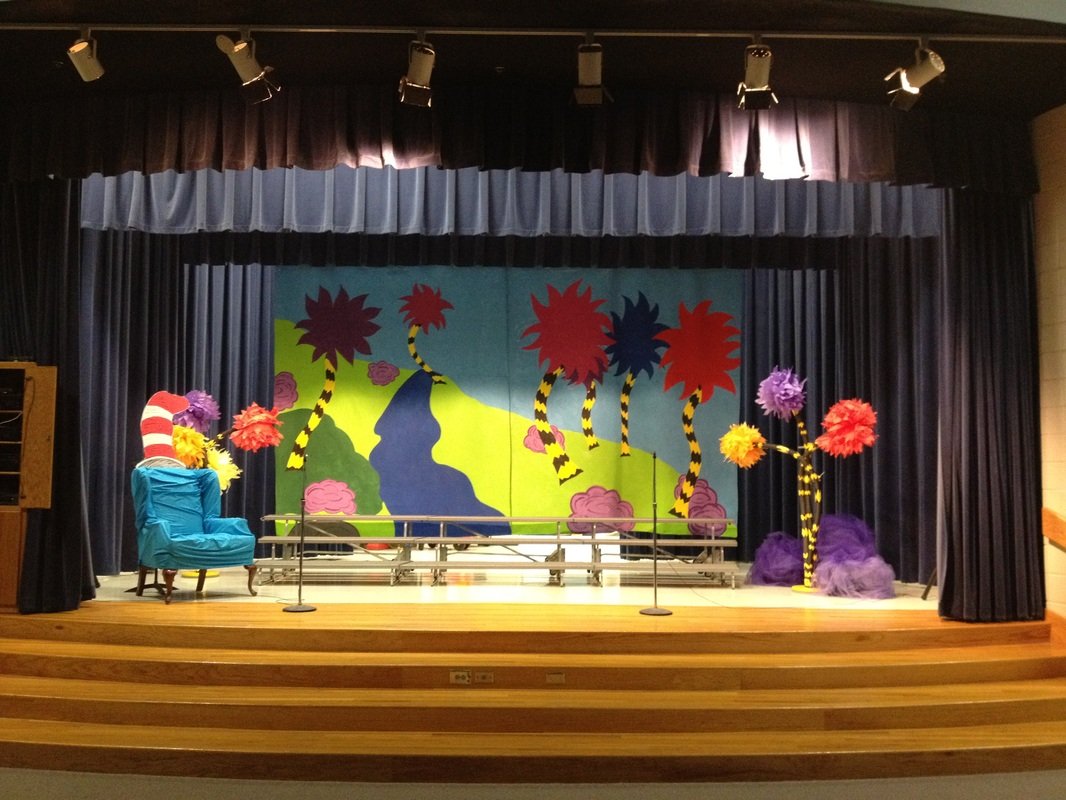
Step into any darkened theater, the hush of anticipation thick in the air, and you instantly feel it: the subtle shift from reality to an imagined world. This profound transformation isn't magic (though it often feels like it); it's the meticulously crafted artistry of Visuals, Set Design & Costumes. These elements don't just decorate a stage; they are the silent narrators, the emotional accelerators, and the immersive architects that build the very foundation of a live stage experience. They transport you, ground you, and deepen your connection to the story unfolding before your eyes.
At a glance: Crafting immersive stage experiences
- Beyond Decoration: Set design and costumes are essential storytelling tools, not just visual flair.
- Emotional Impact: Colors, lighting, and textures significantly influence audience emotions and narrative understanding.
- Narrative Anchor: Visuals establish time, place, mood, and character journeys, making stories more memorable.
- Collaboration is King: Successful designs stem from close teamwork between directors, designers, and technical crews.
- Modern Innovation: Technology like 3D printing, LED lighting, and even AR are transforming stage possibilities.
- Audience-Centric: Feedback directly shapes future designs, maximizing engagement and connection.
The Unseen Architects of Emotion: Why Visuals Matter
Imagine a character delivering a pivotal monologue against a blank wall, dressed in everyday clothes. Now, picture that same character bathed in the soft glow of a stained-glass window, the rustic charm of a Parisian café surrounding them, their attire reflecting their societal struggle or triumphs. The difference is palpable, isn't it? This is the power of stage design.
In musical theater, stage design is the creative process of crafting the entire physical world of a performance – the scenery, props, lighting, and yes, the costumes. Its ultimate purpose? To elevate the storytelling, evoke powerful emotions, and deeply influence how you, the audience, perceive and engage with the narrative. Research from the University of California, Irvine, highlights just how effective this is, showing that well-executed set design can increase audience retention of narrative elements by a remarkable 30%. Think of productions like "Hamilton," with its ingenious rotating set and multi-level scaffolding, or the iconic grandeur of "The Phantom of the Opera"; their critical acclaim and profound audience connection are inextricably linked to their innovative and elaborate visual designs.
Crafting the World: The Art of Set Design
The stage isn't just a platform; it's a canvas, waiting to be transformed into a bustling city square, a haunted castle, or the intimate confines of a character's mind. A skilled set designer understands that every element plays a role in creating this immersive world.
Essential Elements that Build Realities
- Spatial Arrangement: This isn't just about where the furniture goes; it's about defining the relationships between actors and their environment. How do they move through the space? Does it feel expansive or restrictive? This interaction subtly guides your focus.
- Lighting: More than just visibility, lighting is pure mood. Warm, vibrant hues can ignite excitement and passion, while cool, muted tones might conjure feelings of calm, sadness, or introspection. The Journal of Experimental Psychology found that strategic lighting conditions can alter emotional responses by up to 30%, making it a potent tool for emotional manipulation (in the best sense!).
- Color Palette: Colors aren't arbitrary choices; they are thematic anchors. A production set in a joyful, whimsical world might burst with bright, primary colors, while a somber historical drama could lean on a palette of earthy tones and muted grays.
- Props: These are the small, yet mighty, details that ground the narrative in realism and provide crucial context. A worn book, a spilled teacup, a delicate locket – each prop tells a miniature story within the larger one.
- Audience Sightlines: A good designer always considers your perspective. Every element is placed to ensure clear visibility and an optimal viewing experience, drawing you deeper into the action.
Beyond Pretty Pictures: Functionality and Aesthetics
An effective set design isn't just visually appealing; it's a workhorse. It needs to be functional, supporting the actors' movements, facilitating seamless scene transitions, and allowing for the unfolding of the plot. At the same time, it must maintain a powerful aesthetic, ensuring its visual appeal aligns perfectly with the production's overall theme and emotional tone.
Think of how the barricade in "Les Misérables" serves as both a physical obstacle and a powerful symbol of rebellion and despair. The set doesn't just exist; it actively participates in the narrative, reflecting the time period, location, and overarching mood, guiding your understanding of characters' journeys. A cluttered set might visually represent a character's inner turmoil, while an open, expansive space could signify hope or freedom.
Styles that Define a Story
The world of set design offers a spectrum of styles, each impacting the performance differently:
- Minimalist Designs: These strip away excess, focusing attention almost entirely on the actors and their performances. They can be incredibly powerful, forcing the audience to engage their imagination.
- Elaborate Sets: These immerse the audience completely in a specific time and place. They are rich in detail, transporting you directly into the narrative's world. Visually striking sets, whether simple or complex, have been shown to increase emotional involvement and narrative retention.
- Realistic Designs: Aim to replicate real-life environments with painstaking accuracy, using authentic materials and meticulous detail.
- Abstract Designs: Prioritize artistic expression over replication. They use simplified forms, bold colors, and symbolic elements to evoke feelings or ideas rather than specific places.
Historical and cultural context are paramount, dictating aesthetics, materials, and even spatial arrangements to ensure accuracy and enhance immersion.
Modern Frontiers: Innovating Stage Worlds
Today's set designers aren't just working with wood and paint. They're embracing cutting-edge techniques and technologies to create even more dynamic and versatile stage environments:
- 3D Printing: Allows for the creation of incredibly intricate and unique props, architectural elements, and custom pieces with precision that was once impossible.
- LED Lighting: Offers unparalleled control over color, intensity, and movement, enabling dynamic, responsive illumination that can shift moods and focus instantaneously.
- Augmented Reality (AR): While still emerging, AR is beginning to be explored for creating immersive experiences that blend physical sets with digital projections, blurring the lines between reality and illusion.
These advancements lead to more sustainable practices, faster construction, and stages that can transform in ways previously unimaginable.
Breathing Life into Characters: The Power of Costumes
If the set builds the world, costumes bring the inhabitants of that world to vibrant life. Costume design is far more than selecting pretty clothes; it's a profound act of character development, a visual shorthand that instantly communicates who someone is, where they come from, and what they might be feeling.
From Script to Fabric: The Design Process
- Narrative Analysis: It all begins with the script. Designers dive deep, dissecting themes, understanding character arcs, and grasping the overall tone. Is it a tragedy? A farce? A historical drama? Each genre demands a different approach.
- Research & Context: For historical or culturally specific productions, meticulous research is essential. This involves poring over reference images, examining artifacts, and even consulting experts to ensure authenticity and accuracy. Every stitch, every silhouette must resonate with the chosen world.
- Visual Concept Development: Brainstorming sessions, mood boards, and preliminary sketches begin to translate ideas into tangible visuals. Crucially, this stage involves close collaboration with the director and set designer to ensure a unified vision.
Character Psychology Through Attire
A costume can speak volumes before a character even utters a word. A distressed, patched-up coat might signal poverty or a challenging journey, while a sharp, tailored suit could denote power and confidence. Costumes reflect personality, provide visual cues about social status or occupation, and even subtly foreshadow character development. They are silent storytellers, ensuring continuity and consistency between scenes and helping you track a character's emotional evolution.
Seamless Synergy: Set and Costume in Dialogue
The magic truly happens when set design and costume design don't just coexist but actively collaborate, speaking to each other in a visual dialogue that strengthens the entire production.
A Unified Visual Language
Key principles ensure this harmony:
- Overall Color Palette: The set and costumes must share a harmonious color palette. While individual characters or scenes might diverge, the overarching color scheme should create a cohesive visual world. A bright, airy set might be complemented by costumes with pastel tones, while a darker, more intense setting could feature rich, jewel-toned or muted costumes.
- Texture and Materiality: How light plays off the textures of the set and costumes is crucial. A rough, rustic set might pair well with natural, tactile fabrics, while a sleek, modern set could feature more structured, synthetic materials. The materials chosen for both the set and the costumes should feel consistent within the narrative world.
- Lighting's Impact: A costume that looks stunning in a brightly lit dressing room might disappear or clash under the specific stage lighting. Designers continuously test how lighting impacts the appearance of both the set and the costumes, making adjustments to ensure everything reads correctly from the audience's perspective.
- Guiding Attention: The interplay of set and costume can subtly guide your eye. A vibrant costume against a more subdued set, or a character positioned against a contrasting backdrop, can draw immediate focus to an important moment or character. This balancing of visual elements is key to effective stage storytelling.
Practicalities of Collaboration
Achieving this seamless integration requires constant communication and planning:
- Continuous Dialogue: Set and costume designers work hand-in-hand from the earliest concept stages, through ongoing meetings, sharing visual references, and providing constructive feedback.
- Logistical Planning: Practical considerations are paramount. How will actors manage quick changes backstage? Does the costume allow for the necessary movement on a complex set? Fittings and rehearsals often happen on the actual set to assess visual impact and make necessary adjustments before opening night. For example, a designer working on a show like Princess and the Frog live action would meticulously plan costume changes for Tiana's transformations, ensuring they are seamless and do not detract from the narrative flow on stage.
- Problem-Solving: Challenges inevitably arise – budget constraints, material availability, or unexpected technical hurdles. A collaborative team can quickly identify and solve these issues, ensuring the creative vision remains intact.
The Collaborative Canvas: Bringing Visions to Life
No single person creates the visual spectacle of a stage production. It's a symphony of creative minds working in concert. Collaboration is not just important; it's the very heartbeat of effective stage design.
This intricate dance involves:
- The Director: The ultimate visionary, interpreting the script and guiding the overall performance. They set the tone and provide the overarching artistic direction.
- The Set Designer: The architect of the physical world, bringing the stage to life.
- The Costume Designer: The weaver of character identity through fabric and form.
- The Lighting Designer: The sculptor of mood and focus, painting with light.
- The Technical Crews: The skilled artisans and technicians who build, install, and operate everything.
This teamwork fosters innovation, enables creative problem-solving, and optimizes resources, ensuring that every visual element aligns perfectly with the narrative and emotional tone. Projects with strong communication are 30% more likely to meet their objectives, according to the Project Management Institute – a truth that resonates deeply in the complex world of theater production.
Of course, with large production teams, challenges can surface: communication breakdowns, coordination difficulties, or even conflicting creative visions. Overcoming these requires clear leadership, established protocols, and a shared commitment to the production's success. Regular check-ins, visual mock-ups, and open forums for discussion are critical tools to keep everyone aligned.
The Audience in Focus: Shaping Design with Feedback
You, the audience, are the ultimate judge. Your reactions, emotional responses, and engagement are invaluable. Savvy designers understand this and actively seek out feedback to refine their craft.
Audience feedback, whether gathered through surveys, focus groups, or observational studies, provides crucial insights that influence future designs. Designs that resonate with audience expectations and preferences can increase engagement by up to 30%. Imagine a show in previews where audiences consistently miss a crucial plot point; designers might adapt by modifying lighting cues or set layouts to enhance clarity and focus. Studies have even shown that incorporating interactive elements can boost audience retention and emotional connection by the same margin. The goal is always to create a more resonant and impactful experience for those sitting in the seats.
Your Path to the Stage: Becoming a Visual Storyteller
For those captivated by the magic of transforming a bare stage into an unforgettable world, a career in visuals, set design, and costumes offers immense creative rewards.
To thrive in this dynamic field, prioritize these key attributes:
- Collaboration: Be a team player, eager to share ideas and work constructively with others.
- Research Prowess: Cultivate a deep curiosity for historical contexts, cultural nuances, and thematic elements. The more you know, the richer your designs will be.
- Adaptability: Budgets change, venues vary, and feedback comes. Be flexible, resourceful, and ready to pivot when necessary.
Building a Stellar Portfolio
Your portfolio is your professional calling card. It should be a dynamic showcase of your talent and range:
- Diverse Projects: Include a variety of work �� from minimalist concepts to elaborate historical reconstructions.
- Detailed Documentation: High-quality photographs of your realized work, alongside original sketches, renderings (both traditional and digital), and conceptual ideas.
- Process, Not Just Product: Show your thought process. Include examples of materials used, research boards, and design evolution.
- Evidence of Success: Highlight successful productions you've worked on, internships completed, and collaborations that brought a vision to life. Remember, 70% of successful stage designers attribute career advancement to networking.
Resources for Learning and Growth
The journey to becoming a seasoned visual storyteller is ongoing. Here are places to hone your skills:
- Books: Start with foundational texts like “The Art of Stage Design” by John McGrath, which offers insights into the craft's history and principles.
- Online Courses: Platforms like MasterClass often feature courses taught by industry veterans, offering unparalleled insights into their creative processes.
- Workshops & Organizations: Join professional organizations like the United States Institute for Theatre Technology (USITT). They offer workshops, conferences, and networking opportunities that are invaluable for aspiring designers.
The world of live performance is constantly evolving, but the fundamental human need for immersive storytelling remains constant. By mastering the art of visuals, set design, and costumes, you don't just create a show; you create an experience, a memory, and a world that lingers long after the final curtain falls.